
Going Deeper: What We Learned at Fascial Manipulation Level 1 — and Why It Matters for Nantucket Athletes
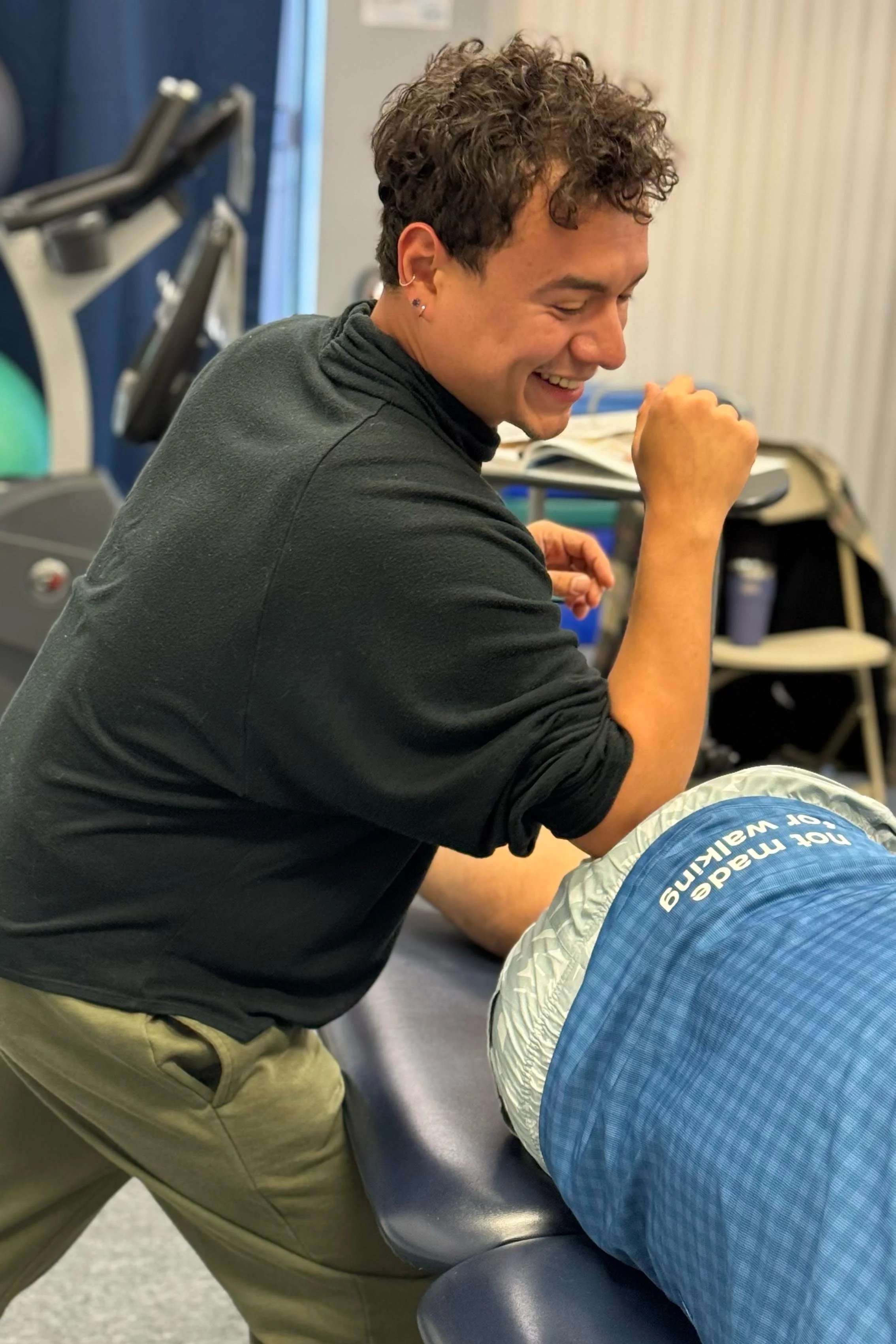
Matthew Lopez applying the Stecco diagnostic approach: find the source, restore the glide
Matthew Lopez and I just got back from the Stecco Fascial Manipulation Level 1 course outside Boston. It was a deep dive into the science and biomechanics of fascia, led by my friend Jeremy Hudson of Sollus Therapeutics. We studied, observed, palpated and tested our way through the Stecco method's detailed diagnostic approach, and I came home with a few things worth sharing with our island community.
First, what is fascia? Think of it as the connective tissue that wraps every muscle, nerve and joint and ties the whole body together into one continuous system. Healthy fascia glides. Fascia that has been overloaded, injured, or simply asked to do the same thing ten thousand times can thicken and stick — what the Stecco method calls a densification. That's where the nagging tightness, the hip that won't open up, or the shoulder that pinches on every stroke comes from.
What makes this different from a traditional massage is the diagnostic approach. Rather than working only where it hurts, we assess how you move, palpate specific points along the body's fascial lines, and trace the problem back to its source — which is often somewhere else entirely. Then we work those points with deep, precise friction to restore the glide. (Matthew got me on the table to work out some old, stubborn adhesions of my own. I squirmed. It was very satisfying.)
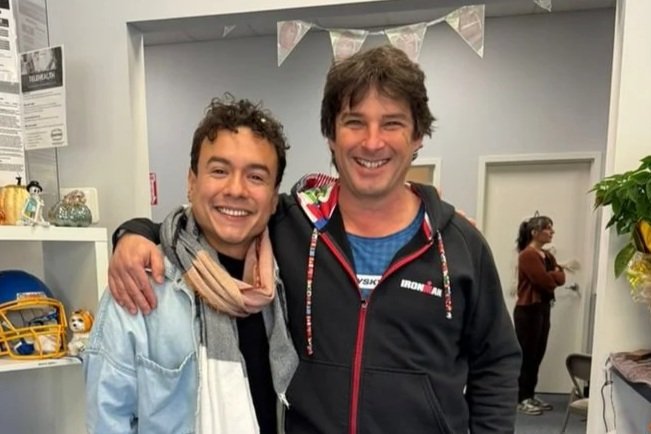
Brandon and Matthew at Fascial Manipulation Level 1 outside Boston with Jeremy Hudson of Sollus Therapeutics.
What can you expect from this work?
Pain relief that lasts — because we're addressing the cause, not chasing the symptom.
Better range of motion and smoother, more coordinated movement.
Fewer compensations — the body stops recruiting the wrong muscles to protect a stuck area.
Faster, more complete recovery between hard efforts.
Why this matters on Nantucket. Our year-round athletes don't take the off-season off. Runners log miles on Milestone Road into a January headwind. Scallopers haul and shuck through the cold. Tradespeople swing hammers all winter, and our swimmers, cyclists and triathletes are already building toward next summer. Repetitive load, cold tissue and long hours are exactly the conditions that create fascial densifications — and exactly what this work was designed to address.
Matthew and I are now offering Fascial Manipulation sessions at Lavender Farm Wellness. If you have an old injury that never quite resolved, or a tightness that keeps coming back no matter how much you stretch and foam roll, this is worth a conversation. Book on the Nantucket Wellness App or give the front desk a call.
Together we're helping our island community discover and maintain a healthy lifestyle.