
Nantucket Annual Town Meeting
On cancer risk, community belonging, and what the science actually tells us about protecting our children.
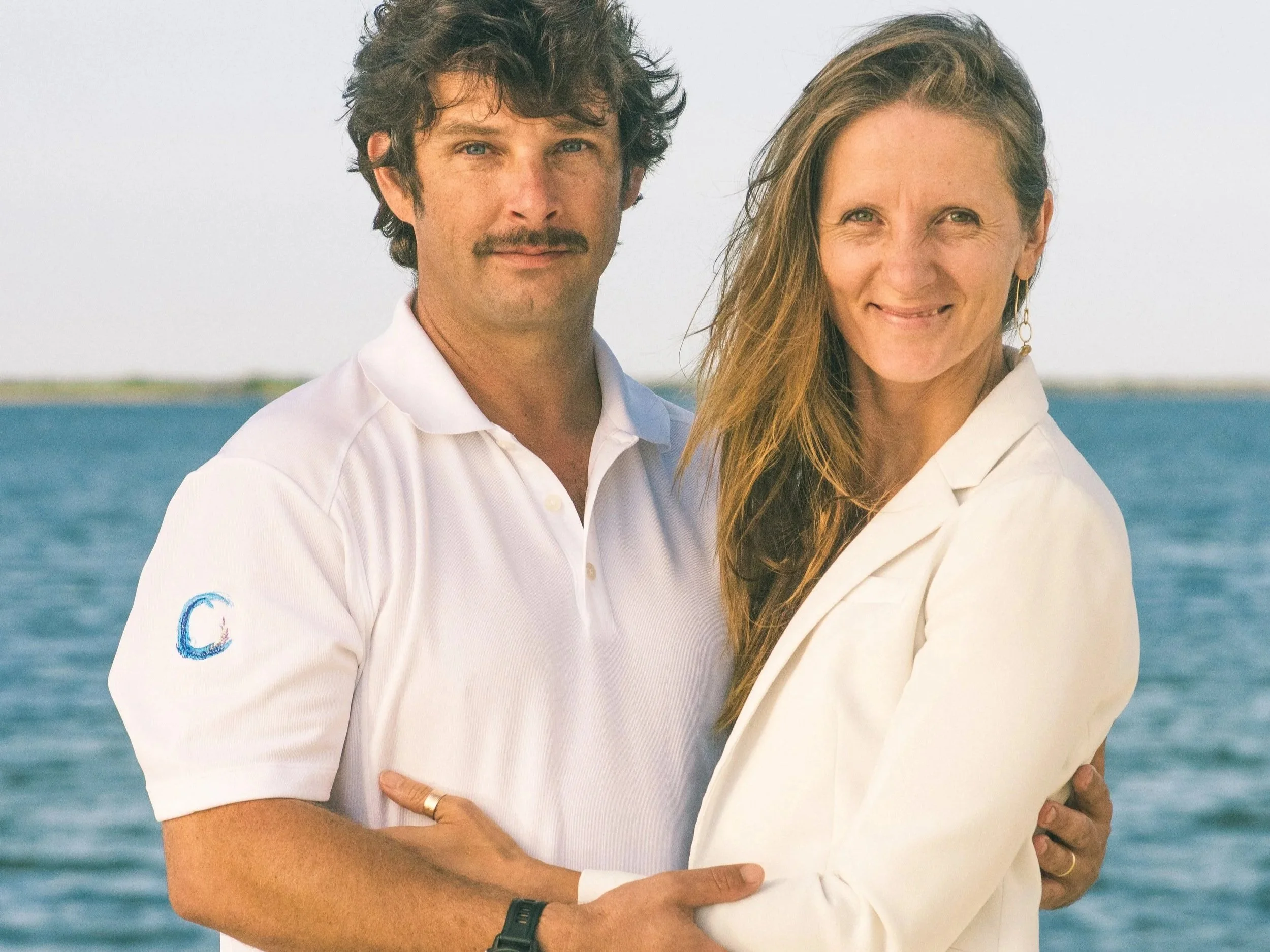
Good evening. My name is Brandon Jellison — the husband of Ugne Aleknaite. I've been asked to share remarks on her behalf.
She is a nurse practitioner, a doctoral candidate, and a former associate scientist at a green chemistry institute. She is a mom to a seven and a twelve year old. And for nearly ten years she has served this community as an oncology nurse practitioner — sitting with families on the hardest days of their lives.
However, if we want real impact, we must follow the data.
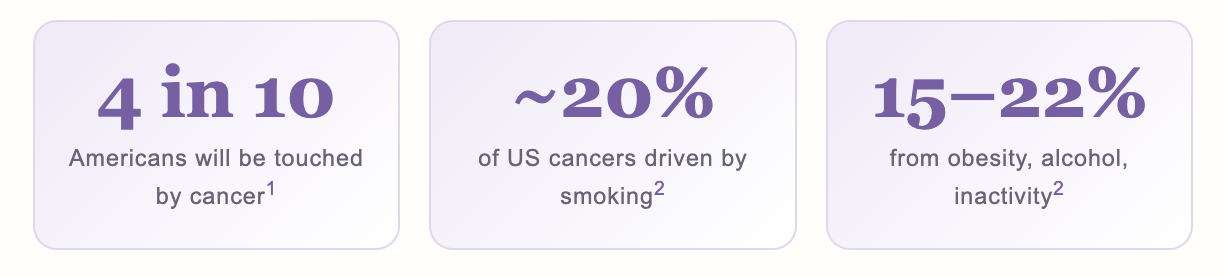
PFAS is a legitimate area of scientific concern. PFAS has been found in our water, our clothing, the lining of our coffee cups, our food, and the fields where our children already play. But as it relates to general population health risks, it is not in the same order of magnitude as the proven risks of smoking, alcohol, poor diet, and physical inactivity.
The engineers this school hired already recommend lot-specific testing before installation and ongoing aquifer monitoring.3 She supports holding them to exactly that standard. That is responsible science.
What this field does
Regular exercise reduces the risk of up to 13 cancers.4 Sports participation reduces all-cause mortality by more than 20%.5
In contrast, social isolation raises the risk of early death by 50% — comparable to smoking 15 cigarettes a day.6
Citations
1.Siegel RL et al. CA: A Cancer Journal for Clinicians. 2023;73(1):17–48.
2.Islami F et al. CA: A Cancer Journal for Clinicians. 2024. doi:10.3322/caac.21858
3.Weston & Sampson Engineers. Independent PFAS evaluation letter to Nantucket Public Schools. December 4, 2025.
4.Moore SC et al. JAMA Internal Medicine. 2016;176(6):816–825.
5.Oja P et al. Sports Medicine Open. 2024;10(1):41.
6.Holt-Lunstad J et al. PLOS Medicine. 2010;7(7):e1000316.
7.Waldinger RJ, Schulz MS. The Good Life. Simon & Schuster; 2023.